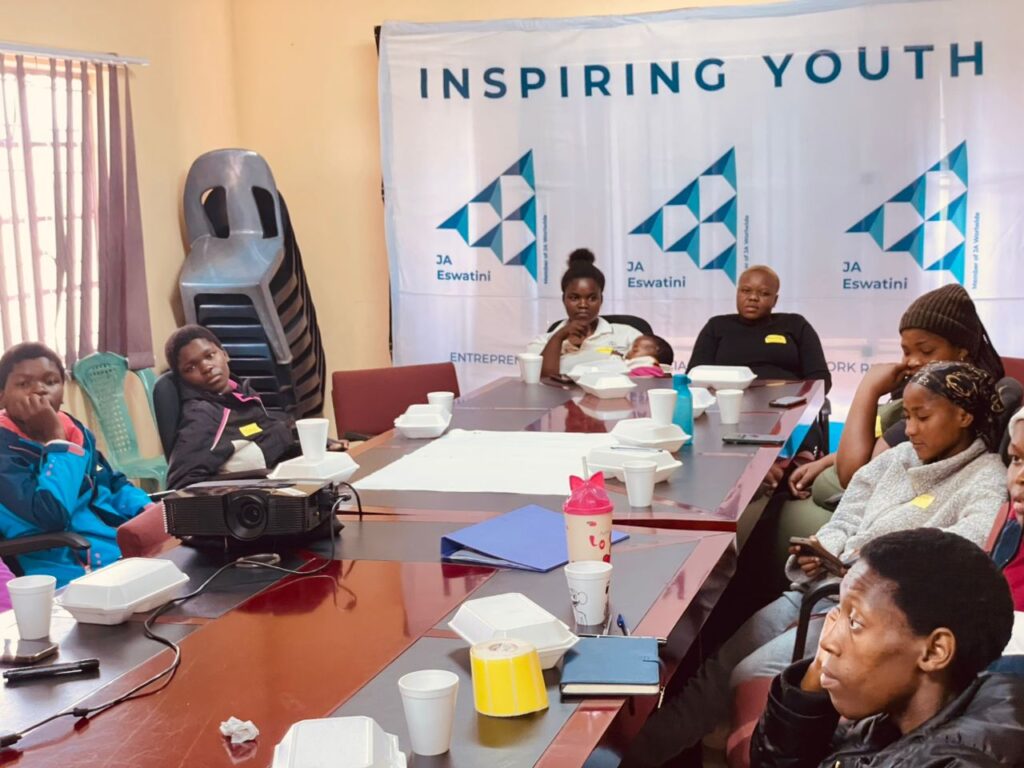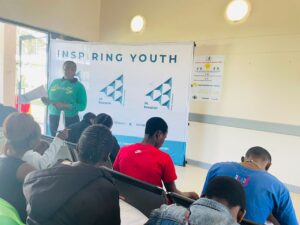
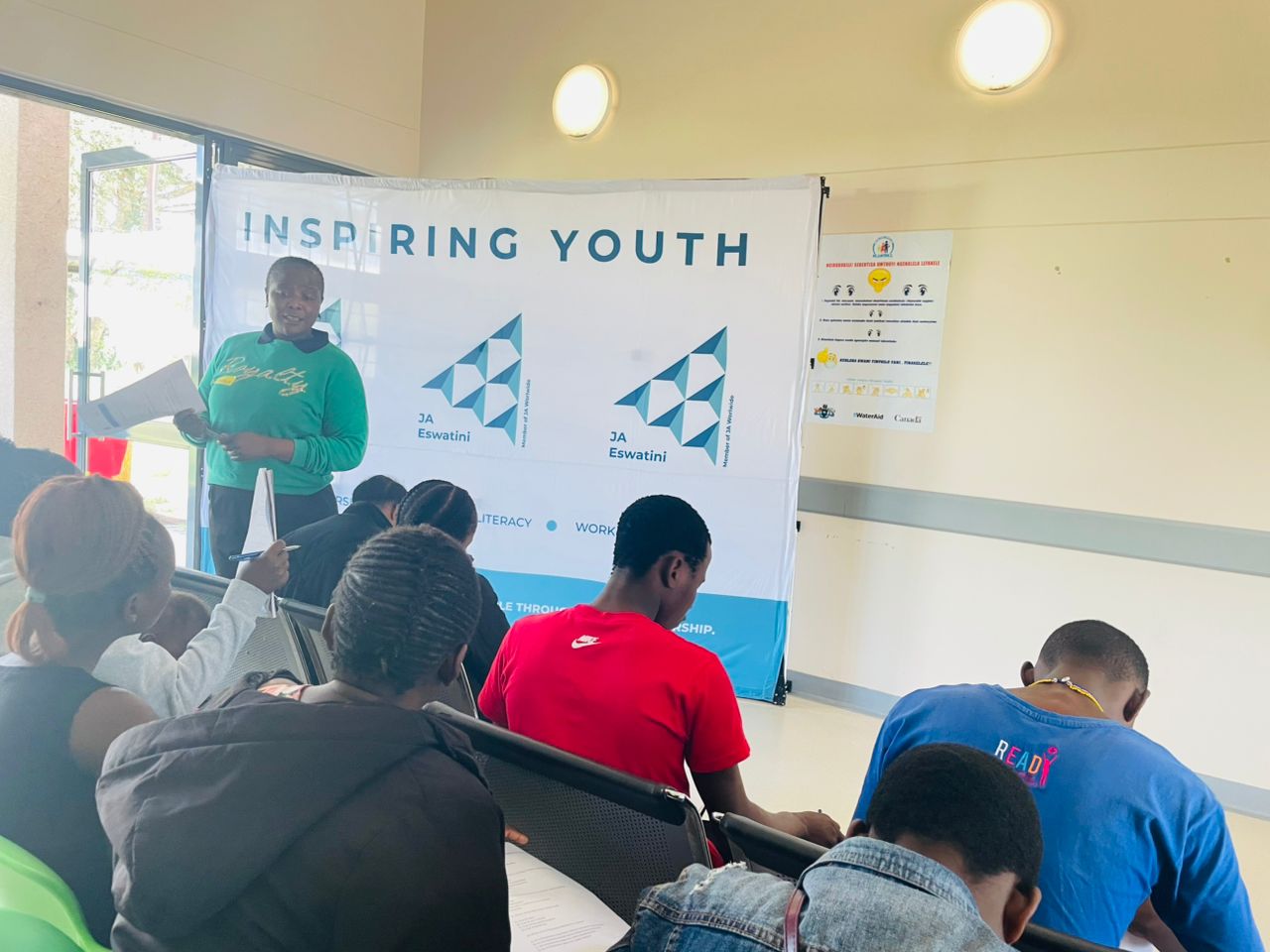
Junior Achievement (JA) Eswatini is on a powerful mission: to equip young people with the skills, confidence, and mindset they need to take control of their financial future and unlock entrepreneurial opportunities. Through a series of trainings held across the country – including sessions at Mkhuzweni Nazarene, Mpolonjeni in Siteki, and Bhekinkhosi Nazarene Mission Clinic – JA Eswatini is bringing practical financial education directly to the communities where young people live, learn, and serve. These sessions are not just about numbers on a page. They are about shaping habits, building responsibility, and inspiring possibility.
Bringing Financial Literacy to Life
At Bhekinkhosi Nazarene Mission Clinic, JA Eswatini recently hosted an impactful training focused on planning, saving, and budgeting. Young people and peer supporters gathered to explore what it really means to manage money wisely in their everyday lives. Using simple, relatable examples, facilitators guided participants through key concepts such as:
- Planning – thinking ahead, setting goals, and preparing for future needs.
- Saving – putting money aside consistently, no matter how small the amount.
- Budgeting – tracking income and expenses to avoid unnecessary debt and stress.
A central part of the training was the classic but powerful lesson on “needs vs. wants.” Through open discussions, participants reflected on the pressures they face – from social expectations to digital trends – and how these can tempt them to prioritise short-term wants over long-term goals.
By the end of the session, many young people shared how this simple framework helped them see money differently: not just as something to spend, but as a tool to build a better future.
Learning by Doing: Group Activities and Presentations
The JA model is built on interactive, hands-on learning, and these trainings were no exception. Participants were divided into small groups and tasked with completing practical exercises such as:
- Developing a basic monthly budget for a young person starting out in life.
- Identifying common financial mistakes and suggesting better choices.
- Brainstorming small income-generating ideas that could work in their communities.
Each group then presented their work to the rest of the participants. This did more than reinforce the financial concepts – it also helped young people build confidence, teamwork, presentation skills, and leadership, all of which are essential in both entrepreneurship and the world of work.
Peer supporters, who often play a frontline role in guiding and mentoring other young people, found the sessions particularly valuable. The tools they gained will help them support their peers not only in health and wellbeing, but also in economic empowerment.
From Financial Literacy to Entrepreneurship Mindset
While the day’s focus was on financial literacy, the foundation laid in these trainings naturally feeds into entrepreneurship. By learning how to manage limited resources, recognise opportunities, and plan ahead, young people are better positioned to:
- Start small businesses or side hustles.
- Contribute meaningfully to family finances.
- Make choices that support long-term stability rather than short-term gratification.
In places like Mkhuzweni Nazarene and Mpolonjeni at Siteki, where many young people face high unemployment and limited formal opportunities, this combination of financial literacy and entrepreneurial thinking is especially powerful. It gives them practical tools to create their own pathways instead of waiting for opportunities to come to them.
Building a Generation of Informed, Confident Decision-Makers
Today’s sessions are about more than teaching young people how to balance a budget. They are about building the foundation for smarter, more confident decision-making in all areas of life.
By taking these trainings into different communities across Eswatini, JA Eswatini is:
- Empowering youth with knowledge that many adults wish they had learned earlier.
- Strengthening peer support networks, as trained young leaders pass on skills to others.
- Contributing to national development, one informed decision at a time.
As the sessions continue across the country, one message remains clear:
when young people understand money, recognise their own potential, and are given space to learn and lead, they are truly empowered for a better tomorrow.